Hello and welcome my friend! I’m glad you found your way to this humble lil shrine.
My advice is always to start slow. Read and expand on the things about Hermes that grab you, such as the aspects that pertain to your job and activism. Ask questions and look for the “signs” pointing to the answers. (His unsubtlety and sheer cheekiness really helps when it comes to that, and He always makes it fun!)
There’s a lot of excellent resources in the tags, so I’m going to tag some to this post ♥️
Breaking oaths in Hellenism is one of the worst things that you could do. In addition to the legal consequences that accompanied it, there are also religious consequences. Promises, while important, don’t hold the same significance as an oath. The difference being that the Theoi are not invoked in a promise, while They are actively invited to hold the oath-taker accountable when someone is swearing an oath.
According to Richard Janko, an oath in Archaic and Classical Greece is defined as such:
“to take an oath is in effect
to invoke powers greater than oneself to uphold the truth of a declaration,
by putting a curse upon oneself if it is false”
Martin West also identifies the Oath as a conditional self-curse:
“an oath is by
origin a curse which a man lays upon himself, to take effect if what he declares
is false. The god Horkos is the personification of this curse; that is why he is
attended by the Erinyes…”
And Burkert said:
“only fear of the gods provides a guarantee that
oaths will be kept”
The Theoi commonly depicted as presiding over the sanctity of oaths are
Horkos (Oath),
the Erinyes (as oath-curses), Zeus Horkios (guardian of oaths), and Themis. Hesiod wrote that Horkos,
“brings the most woe to
humans on earth, when anyone willingly swears a false oath.” According to Plato
in his Gorgias, swearing
false oaths is the chief moral failing ascribed to souls receiving
judgment from Rhadamanthys.
Oaths are more than just a promise between two or more people. So, while there are consequences for breaking promises and things like wedding vows, those consequences are handed out by mortals. You have to deal with whatever comes of breaking your promise to another person. But oaths directly involve the Theoi (even oaths between two people, not between an individual and a Theos).
“I feel awe of the gods, I love, I revere, I venerate them, and in short have precisely the same feelings towards them as one would have towards kind masters or teachers or fathers or guardians or any beings of that sort.”
— Julian the Philosopher, in “To the Cynic Heracleios"


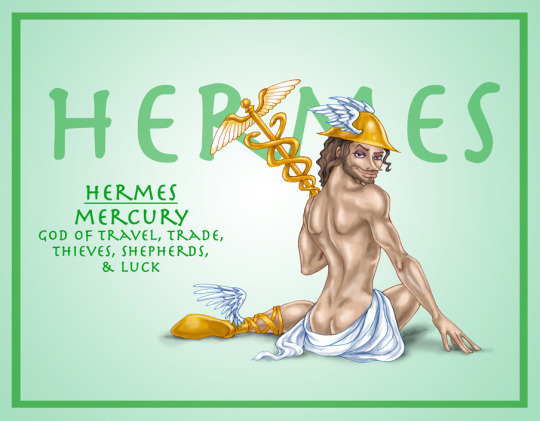

 Hermes